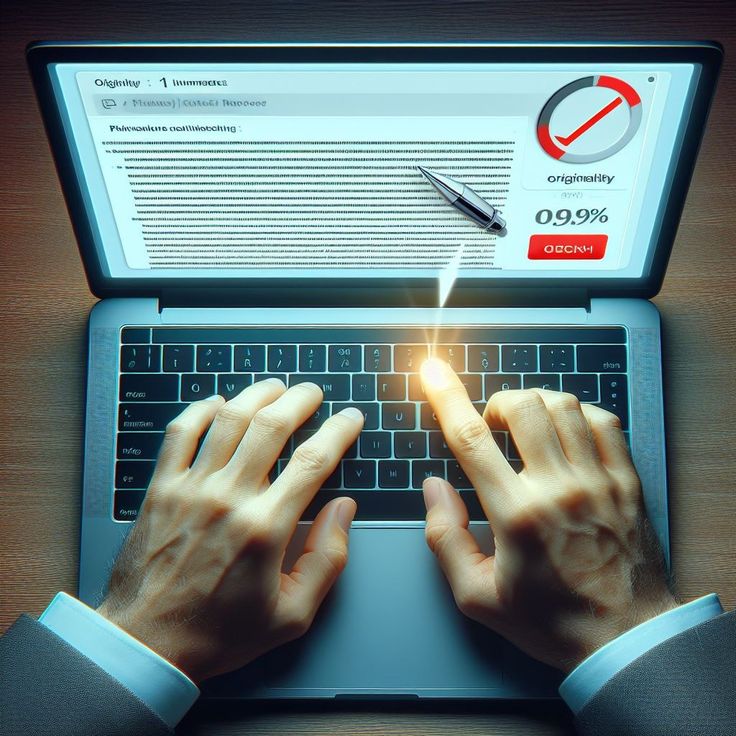
Accidental plagiarism can destroy a writer’s reputation in a single afternoon. One recycled phrase, one poorly paraphrased section, and a client or editor flags the work. Search engines notice duplicate content too. That is why reliable free plagiarism checkers for writers matter more than most people admit. I have spent over a decade publishing online and editing other people’s work. I have seen careers stall because someone trusted a quick Google search instead of a proper check for plagiarism online.
Free tools exist, but most come with hard limits, incomplete databases, or quiet data practices that should make any professional nervous. This article walks through the ones I actually use and trust enough to recommend.
The Quick Verdict
- Best overall free option: Quetext
- Best for quick web checks: SmallSEOTools or Duplichecker
- Best if you already pay for writing help: Grammarly plagiarism checker (limited free)
- Best for deeper scans when free limits run out: CopyLeaks (freemium)
No free tool is perfect. All of them trade accuracy or word count for zero cost.
Comparison Table
| Tool | Best For | Free Word Limit | Database Size | User Privacy |
|---|---|---|---|---|
| Quetext | Balanced accuracy & ease | Limited daily/scan credits | Solid web + some academic | Better than most free tools |
| Grammarly | Users already in the Grammarly ecosystem | Very limited free checks | Decent web coverage | Stores text (account-based) |
| SmallSEOTools | Fast, no-account web checks | Around 1,000–1,500 words | Large web crawl | Unclear / higher risk |
| Duplichecker | Simple duplicate content checker | ~1,000 words per search | Web-focused | Stores or processes openly |
| Plagiarism Detector | Basic online scans | Limited free scans | Web + some sources | Standard free-tool risk |
| CopyLeaks | More thorough freemium scans | Restricted free tier | Broad web + academic options | Clearer paid privacy options |
The Top Picks
Quetext
Quetext is one of the few free plagiarism tools I return to regularly. It feels less spammy than many competitors and produces clearer side-by-side comparisons.
Key features include a clean interface, color-coded matches, and a DeepSearch option that digs further into the web. Speed is acceptable for most articles. The dual-view report makes it easy to see exactly which sentences need rewriting or citation.
The Catch: The free tier is tightly limited. You get a small number of words or credits per day or month. Longer articles force you into the paid plan quickly.
Verdict: Best starting point among free plagiarism checkers for writers who want something more reliable than pure ad-supported sites. Good for bloggers and freelancers who check moderate-length work.
Grammarly Plagiarism Checker
Grammarly’s plagiarism feature sits inside a tool many writers already open daily. That convenience is its biggest advantage.
It scans against a large web index and some academic sources. The interface is polished, and results appear alongside grammar and clarity suggestions. For short pieces it feels fast.
The Catch: Free users get very few plagiarism checks. Serious use almost always requires a Premium subscription. Grammarly also stores your text as part of its service, which some privacy-conscious writers dislike.
Verdict: Convenient if you already live in Grammarly. Not the strongest pure free plagiarism checkers for writers if you only need originality scans.
SmallSEOTools
SmallSEOTools offers a no-frills plagiarism checker that many people discover through search. Upload or paste text and get a percentage plus matched sources.
It runs quickly and requires no account for basic use. The database leans heavily on public web pages, which is useful for blog and content work.
The Catch: Word limits sit around 1,000–1,500 words on the free version. The site is ad-heavy. Privacy practices are not transparent. I treat anything sensitive with caution here.
Verdict: Fine for quick, low-stakes checks of published-style content. Not ideal for unpublished manuscripts or client work you want to keep private.
Duplichecker
Duplichecker is another popular free plagiarism tool that functions as a straightforward duplicate content checker. Paste text, run the scan, and review the results.
It is simple and relatively fast. Many students and bloggers use it because the barrier to entry is almost zero.
The Catch: Free scans are capped near 1,000 words. Accuracy can feel inconsistent on paraphrased material. Like most free web tools, the data handling is opaque.
Verdict: Acceptable for rough first passes. I would not rely on it as my only check for professional work.
Plagiarism Detector
Plagiarism Detector provides a basic online scanner with a percentage score and linked sources. The interface is functional if not particularly refined.
It covers common web content and can catch obvious copy-paste issues quickly.
The Catch: Free usage is limited. Deeper or repeated scans push you toward paid plans. Database depth sits behind stronger tools.
Verdict: A backup option when other free plagiarism checkers for writers are rate-limited. Not a primary tool.
CopyLeaks
CopyLeaks sits in the freemium category and offers stronger scanning than pure free tools when you stay within its free limits. It handles web and some academic sources and produces detailed reports.
Speed and interface are professional. The company also markets API and education-focused plans.
The Catch: The free tier is restricted. Serious or frequent use requires payment. It is not a completely free solution.
Verdict: Worth testing when free word limits on other tools block you. Better privacy controls appear on paid plans.
How to Choose the Free Plagiarism Checkers for Writers
Three practical factors decide which free plagiarism checkers for writers actually help you.
First, word count limits. Most free tools cap scans between 500 and 1,500 words. If you write long-form articles or reports, you will hit walls fast. Check the exact limit before you paste anything important.
Second, database depth. Some tools focus on the open web. Others claim academic or publication coverage. For blog content, a strong web index is usually enough. For research-heavy or academic-adjacent writing, you need broader coverage. Free tiers almost always restrict the deeper databases.
Third, privacy. This is the part too many writers ignore. Several free plagiarism tools store or process your text in ways that are not clearly disclosed. I never upload unpublished client work or sensitive drafts to tools with vague privacy policies. When in doubt, run smaller sections, use tools with clearer policies, or pay for a reputable service that contracts not to train on or keep your content.
I remember a client sending me a blog post that was 40% copied from Wikipedia, and they had no idea because they didn’t run it through a checker. They had rewritten a few words and assumed that was enough. A proper scan would have caught it in seconds. That incident still shapes how strict I am about originality checks.
Common Mistakes to Avoid
Changing two or three words does not make copied text original. Modern checkers catch close paraphrases. Proper rewriting or clear citation is required.
Forgetting to check quoted material is another frequent error. Even correctly quoted text can create duplicate content flags if the surrounding article is thin. Always review how quotes sit inside your work.
Relying on a single free tool is risky. Databases differ. Running the same piece through two different free plagiarism tools often surfaces matches one of them missed.
Finally, ignoring citation standards after a clean scan still leaves you exposed. A zero percent score does not replace proper attribution.
FAQ
Is it safe to upload my unpublished work to free tools?
Often no. Many free plagiarism checkers for writers have unclear data policies. Treat unpublished or client work carefully. Prefer tools with transparent privacy statements or scan in smaller chunks.
Can Google detect plagiarism?
Google detects duplicate content across the web and can downrank or filter it. It does not run a public “plagiarism score,” but the effect on visibility is real. A good duplicate content checker helps you avoid that problem before publishing.
Do free checkers catch AI-generated text?
Most traditional free plagiarism tools focus on matching existing web or published text. They are not reliable AI detectors. Separate AI-detection tools exist, but their accuracy varies and many also have free limits.
How accurate are free plagiarism tools compared with paid ones?
Free versions usually search smaller or slower-updated indexes and impose word limits. Paid tools generally offer larger databases, better paraphrase detection, and higher scan limits. For professional work, free tools are a first filter, not the final word.
I still run every important draft through at least one solid checker before it leaves my desk. Free plagiarism checkers for writers can catch embarrassing mistakes and protect your reputation if you understand their limits. Use them as a safety net, respect the word caps, watch the privacy policies, and rewrite anything that comes back flagged. Clean original work still beats any tool.